A Design Review of the All American Nurse Messy Bun
When a new embroidery file lands in my library, I don’t just look at it on screen. I imagine it stitched out. I think about the fabric it would live on, the hands it would pass through, and the reaction it would get from a customer or a gift recipient. That’s the lens I’m using today for the All American Nurse Messy Bun. This isn’t a spec sheet; it’s a practical evaluation of how this design would perform in real embroidery work, from a tote bag for a nurse’s convention to a personalized sweatshirt for a healthcare hero.
The First Impression: Patriotic Charm with a Modern Twist
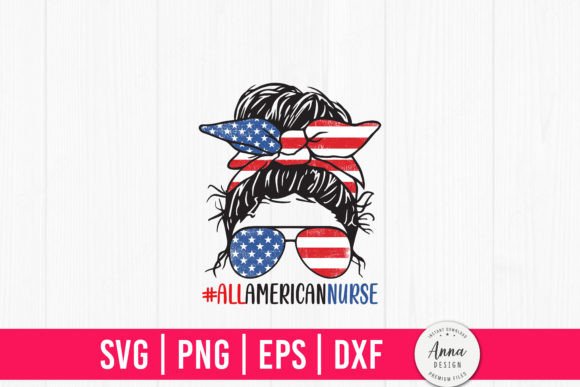
The mood here is instantly appreciative and warm. It’s a celebration, not a slogan. The messy bun with the integrated flag bandana is a clever, contemporary take on a classic theme. The layout feels balanced—the bun itself is the focal point, with the patriotic accents woven into the hairstyle rather than plastered beside it. This isn’t a dense, overly detailed machine embroidery design; it’s a graphic with clean lines that promises good stitching clarity. Its visual personality is friendly and proud, making it feel destined for a gift or a personal statement piece rather than generic merchandise.
Where This Design Naturally Belongs
My mind immediately goes to soft, cozy applications. An embroidered patch on a fleece blanket for a nurse retiring. The centerpiece on a premium cotton tote bag she uses for work. A beautifully stitched accent on the front of a soft sweatshirt. Because the design has a certain elegance in its simplicity, it also lends itself to more permanent decorative items, like a pillow cover for a home office or a detailed tea towel as a kitchen gift. For baby embroidery, it could be sweetly stitched onto a baby onesie as a gift for a new mom who’s a nurse, though scale would be critical. The theme makes it a natural fit for holiday embroidery gifts around times of national appreciation, like Nurses Week or Independence Day.
Performance in Real-Life Embroidery Situations
Let’s walk through a scenario. I’m preparing a custom embroidered tote bag for a client’s nurse appreciation event. I’ve hooped a sturdy canvas tote. The All American Nurse Messy Bun embroidery file, given its likely clean vector lines from the provided formats, should translate well into satin stitch outlines and fill stitch areas for the bun. On a dark fabric, I’d need to think about thread color contrast—a white or light grey for the bun, bold reds and blues for the flag details. The design’s open areas mean stitch density shouldn’t be overwhelming, which is good for the bag’s texture and durability.
On apparel like t-shirts or sweatshirts, using a proper stabilizer is paramount, especially for the potentially larger hoop size this design might require. On a cap, the curved surface could work if the design is sized appropriately, avoiding the very detailed corners of the bandana stripes. For embroidered patches, this would be a standout, a ready-made badge of honor that could be applied to anything. For small business merchandise or Etsy listings, this design adds immediate value—it’s specific and heartfelt, which builds customer trust and engagement far more than a generic graphic.
Visual Appeal and Professional Impact
When stitched well, this design elevates a product. Its themed specificity increases the perceived product value. A handmade presentation feels more thoughtful because the design itself is thoughtful. For a craft business owner, it aids brand consistency if you cater to the healthcare community or patriotic themes. Its giftability is high; it feels personal. For the wearer or user, it offers instant recognition and a sense of community. From a professional standpoint, using a clean, well-proportioned design like this reflects well on the embroiderer—it shows good judgment in selecting design assets that will stitch out cleanly.
Caution Areas and Designer Notes
This design should be used carefully on very small hoop sizes. The messy bun detail and the flag stripes need space to maintain clarity; shrinking it too much could make tiny lettering or details blur into a lump of thread. I’d avoid highly textured or very thin, stretchy fabrics unless you’re exceptionally experienced with stabilizer choices, as the fill areas could pucker or distort. On dark fabrics, a thorough test on scrap material is non-negotiable to check color contrast—some elements might need color swaps to pop.
Always, always test the design on scrap fabric first. This is my cardinal rule. Check the actual stitch density once it’s digitized. Confirm the hoop size needed by running a simulation. Inspect how the small details, like the hair lines and star accents, render. It’s also wise to test the design concept in black and white mockups to see how it holds up as a silhouette. Compare how it looks on both light and dark fabric backgrounds in your software preview before stitching.
Practical Steps Before a Final Product
For anyone using this for commercial embroidery or selling finished products, the most crucial step is to confirm the licensing terms. The product description mentions it’s a digital file for cutting machines, but the usage rights for embroidered end products need to be clear. Do not assume. Check if it’s licensed for personal use only, or if you can sell the finished product like an embroidered tote or patch. This is the bedrock of a professional, ethical craft business.
Use proper stabilizer for the chosen fabric. Think about thread colors not just for the flag, but for the bun itself—a tonal shade might look more natural than a stark white. For products that need frequent washing, like apparel or kitchen towels, ensure your stitching is secure and the design isn’t so dense that it stiffens the fabric. Remember, the final goal is a durable, beautiful item that delights its owner.
The Final Stitch: A Design with Heart and Utility
The All American Nurse Messy Bun is more than a graphic; it’s a sentiment ready for thread. In my evaluation for real project use, it stands out as a design with strong application potential for gifts, personal apparel, and thoughtful merchandise. Its strength lies in its focused theme and clean composition, which should translate reliably into physical stitching. By approaching it with the practical steps of testing, sizing, and licensing checks, embroidery designers and makers can turn this digital file into a tangible product that carries real meaning. That’s the ultimate measure of a good embroidery project.