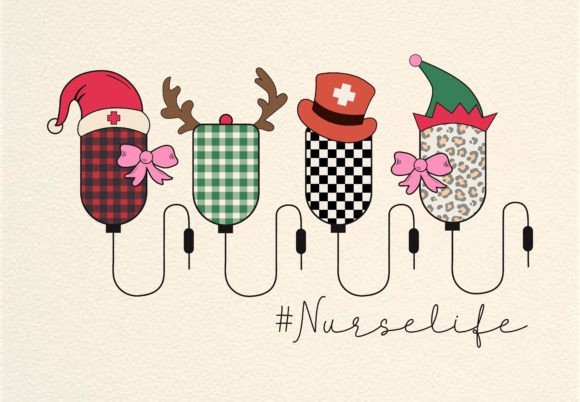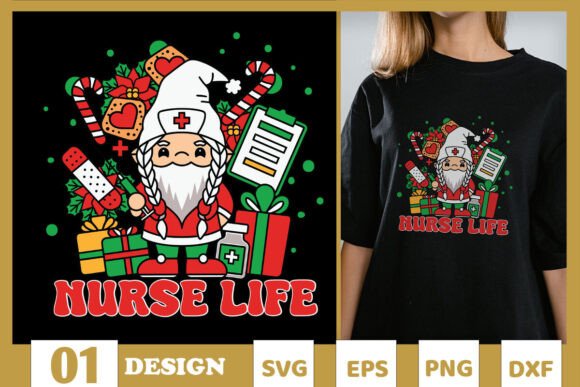
Christmas Nurse Life Gnome: A Holiday Designer's Take
When a new holiday design lands in my library, I always picture it stitched. Not as a thumbnail on a screen, but as a finished product, on real fabric, held by a real person. The Christmas Nurse Life Gnome SVG caught my attention immediately, and I spent some time thinking through its potential, especially for my upcoming batch of custom holiday gifts for a local clinic. Here’s my honest, practical review from a designer’s perspective.
A Gnome That Speaks to the Heart of the Season
This design’s first impression is warmth. The classic gnome shape, paired with the nursing theme, creates an instant emotional connection. It’s festive, but it’s also deeply personal. The layout feels balanced and thoughtful—not overly cluttered, but with enough detail in the gnome’s hat and accessories to give it character. This isn’t a generic snowflake; it’s a story. That visual personality makes it perfect for projects destined as gifts, where sentiment carries as much weight as aesthetics.
The Projects Where This Gnome Will Truly Shine
I envision this design excelling on cozy, tactile items. A soft crewneck sweatshirt for a nurse, a sturdy canvas tote bag for carrying supplies, or a decorative pillow cover in a healthcare worker’s home. Its pre-sized nature means I can confidently move it into my embroidery software and know it’s ready to scale for a 4x4 hoop on a baby’s knit hat or a larger 5x7 for a kitchen towel or apron. The transparent PNG backdrop is a godsend for creating printable mockups for my Etsy listings, letting me show clients exactly how it would look on a dark or light fabric.
For my craft business, I’m considering it for limited-edition holiday merchandise. An embroidered patch with this design could be a fantastic standalone product for nurses to add to their bags or uniforms. The high-definition details suggest it would translate well into clean satin stitches for the lettering and fill stitches for the gnome’s body, creating a product that feels premium and handmade.
Navigating Real-World Embroidery Challenges
For all its charm, a designer’s job is to foresee hiccups. The small lettering in “Nurse Life” requires attention. On textured fabrics like a knit cap or a thick sweatshirt, those tiny details might lose clarity if the stitch density isn’t adjusted or stabilizer isn’t used properly. I’d be cautious about using it on very stretchy fabrics without extensive testing, as small text can distort.
On dark fabric backgrounds, thread color contrast is paramount. You’ll need to plan your palette carefully—the traditional red and white might need a bright white or even a metallic thread to pop against a navy or black tote bag. This is where testing on scrap fabric first becomes non-negotiable. Run a sample, wash it, see how it holds up. This step protects your reputation and ensures customer trust in the finished product’s durability.
Where to Approach with Care
- Small Hoop Sizes: If you’re scaling down drastically for a very small item, inspect those detailed corners and letters. They might need simplification.
- Layered Garments: Embroidering over seams on a curved surface like a cap can be tricky; positioning is key.
- Products for Frequent Washing: For items like tea towels or baby clothes, ensure your stitch density and stabilizer choice can withstand the wear.
Remember, a design’s appeal isn’t just in the file; it’s in the final stitch quality. This gnome design, when executed well, elevates the perceived value of any custom apparel or personalized gift. It shows professionalism and care, which boosts buyer engagement for small shop products and craft fair offerings.
Practical Notes for My Fellow Embroidery Designers
Before committing this to a client’s project, here’s my checklist.
- Test it on both light and dark fabric scraps to judge thread contrast.
- Check the stitch density in your software; adjust if areas feel too dense for the chosen fabric.
- Confirm the hoop size you intend to use can accommodate the design at your desired scale without losing detail.
- Inspect the small details in a black-and-white mockup to see how they’ll translate to pure stitch form.
- Use proper stabilizer for the fabric type—this is crucial for maintaining clarity.
- Most importantly, check the licensing terms. Before selling finished items like embroidered patches or commercial embroidery projects using this file, you must know if it’s permitted. The same goes if you’re a digital product seller thinking of incorporating it into new design assets. Never assume.
Thinking of my real-life scenario: preparing custom embroidered tote bags for a nurse’s holiday party. The Christmas Nurse Life Gnome SVG feels ideal. It’s professional yet festive, a recognition of their vocation wrapped in holiday cheer. Stitched cleanly on a durable bag, it becomes a gift they’ll use and appreciate, far beyond a generic holiday motif. That’s the power of a well-chosen, well-executed embroidery design. It turns a digital file into a meaningful, tangible product.
In the end, this design’s versatility from SVG to PNG to DXF means I can adapt it across mediums, but my focus remains on the embroidery machine. With thoughtful application and practical testing, this gnome can move from a graphic on my screen to a standout feature on handmade products, strengthening brand consistency for creative entrepreneurs and bringing genuine holiday spirit to personalized gifts. Just approach it with a designer’s eye for real-world results.