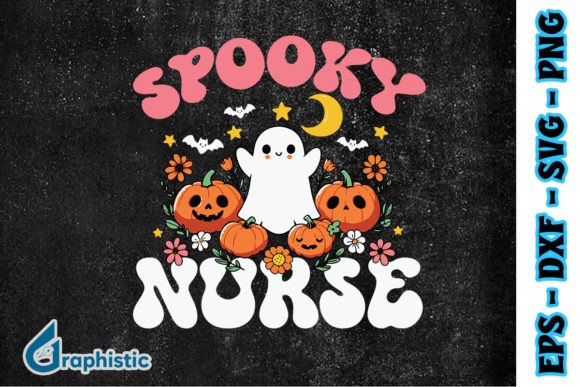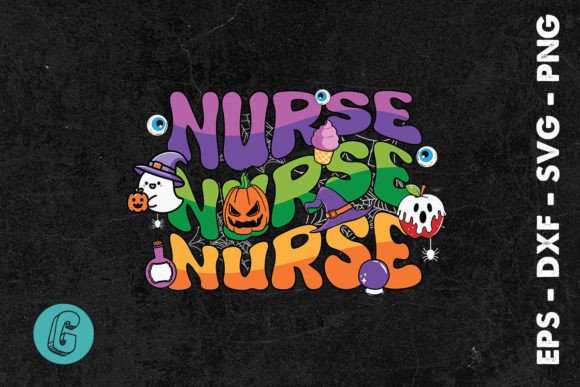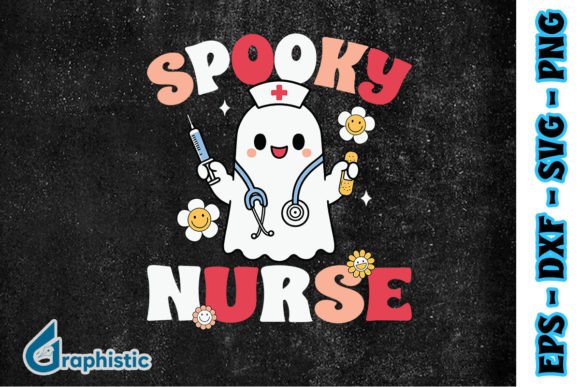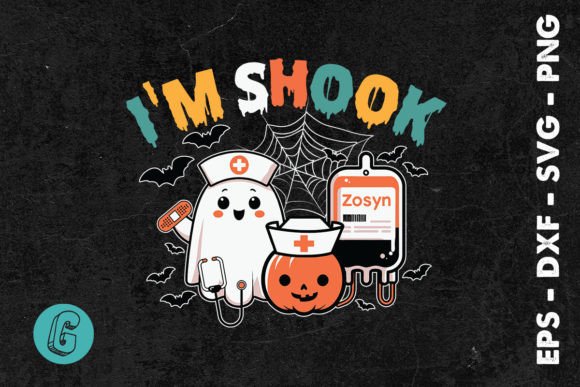
A Designer's Take on Nurse Funny Halloween SVG
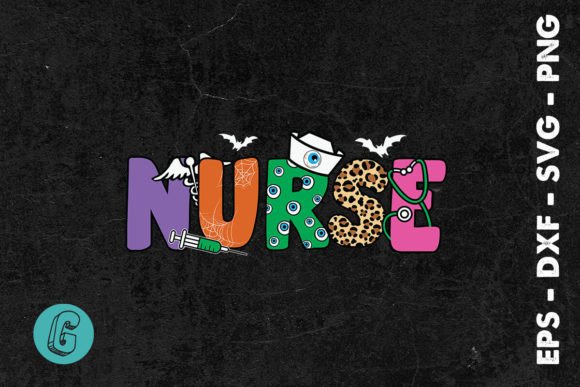
When I look at a new embroidery design, especially a themed one like Nurse Funny Halloween SVG, my first question isn't just about the file format. It's about the story it tells on fabric. This isn't just a graphic; it's a potential product, a gift, or a piece of personalized decor. My immediate impression of this design is that it carries a specific, playful mood. It’s clearly meant for Halloween, but with a healthcare twist—a combination that creates a niche appeal. The visual personality feels humorous and lighthearted, which is perfect for the holiday season where we look for designs that spark a smile or a chuckle.
The Natural Habitat: Where This Design Belongs
In my experience, a design finds its true home on a specific type of product. For Nurse Funny Halloween SVG, I instinctively think of custom apparel. This isn't a delicate, intricate piece; it has a boldness that suits larger, casual surfaces. A cozy sweatshirt for a nurse to wear on Halloween, a funny tote bag for a healthcare worker at a costume party, or even an apron for someone hosting a spooky-themed dinner—these are its natural habitats. The theme suggests it would be a great fit for personalized gifts within that community. Imagine embroidering this onto a pillow cover as a gift for a nurse friend; it becomes a memorable, niche holiday item. For a small business owner, this could be a standout piece in a Halloween collection, especially if your shop caters to medical professionals or those with a sense of medical humor.
Performance on Real Projects: Beyond the Screen
Translating a digital file into stitches is where theory meets practice. With Nurse Funny Halloween SVG, the practical considerations start with its intended use. For an embroidery project on a sweatshirt or tote bag, the generally larger scale will help. These fabrics can handle moderate stitch density well. However, the success hinges on the design's detail level. I always advise testing on scrap fabric first, especially with any lettering or small graphic elements that might be present. Checking thread color contrast is crucial—a Halloween design often uses contrasting colors like orange and black, which need to pop against the fabric background. Using a proper stabilizer is non-negotiable here, particularly for stretchy fabrics like sweatshirts or textured surfaces like some tote bag materials, to prevent puckering and ensure stitching clarity.
Where Caution is the Best Stitch
Not every design is a universal fit. For Nurse Funny Halloween SVG, I would be careful applying it to very small hoop sizes. If the design has intricate elements, shrinking it down for a cap or a small baby item might lose the clarity and impact of the humor. Tiny lettering, if present, can become a muddled mess on small-scale embroidery. Similarly, dense stitch areas could be problematic on thin fabrics, as they might show through or distort the material. Dark fabrics require careful planning of thread colors to maintain visibility; a white or light-colored satin stitch for text, for example, would be essential. For curved surfaces like caps, the layout needs to be adaptable—some designs with wide, flat elements don't translate well to the curved crown of a hat.
The Value It Adds to Your Finished Product
The real test of an embroidery file is how it elevates the finished product. Nurse Funny Halloween SVG, when executed well, adds a layer of targeted personality. For a customer, it’s not just another Halloween graphic; it’s a specific joke or sentiment they identify with, which increases the giftability and recognition of your handmade product. For a small business owner or Etsy seller, offering such a niche design can build customer trust and engagement—you're providing something they can't easily find elsewhere. It contributes to a professional, cohesive brand if you specialize in medical or humorous themes. The visual appeal, when stitched cleanly with good contrast, makes the product feel intentional and high-value, which is exactly what buyers look for in custom apparel and personalized gifts.
A Designer's Practical Notes Before You Hoop
Before I commit any design to a client project or my own craft business items, I run through a mental checklist. For this one, it starts with the files themselves. The description mentions SVG, PNG, and DXF formats. For embroidery, the SVG and DFX are typically the vectors you'd import into your design software to create your machine embroidery file. I always confirm the licensing before selling finished items—knowing if it's for personal use, commercial embroidery, or both is fundamental to your business integrity.
Here are my practical steps:
- Test the design on scrap fabric that matches your final product's texture and weight.
- Review the stitch density in your embroidery software preview; adjust if areas look too dense for your chosen fabric.
- Inspect small details like corners of letters or fine lines. Will they stitch cleanly, or do they need slight simplification?
- Compare it in black and white mockups to understand its form without color, which helps assess its foundational strength.
- Always use the correct stabilizer for your fabric—for a funny Halloween sweatshirt, a cut-away stabilizer might be the best choice for durability.
- Consider the end-use: if it's for a kitchen towel or apron that needs frequent washing, opt for robust thread and secure stitches.
Ultimately, Nurse Funny Halloween SVG strikes me as a design with a clear purpose. It’s a graphics asset ready for transformation into a tangible, smile-inducing product. Its value lies in its specific theme, making it a potential star in a niche market rather than a generic Halloween item. For the embroidery designer, crafter, or small shop owner, success with this file will come from pairing its playful mood with the right product, careful technical preparation, and an understanding of the community that would love to wear or display it. That's where a digital file becomes a real, stitched story.