A Designer’s Practical Take on the NICU Nurse Embroidery Design
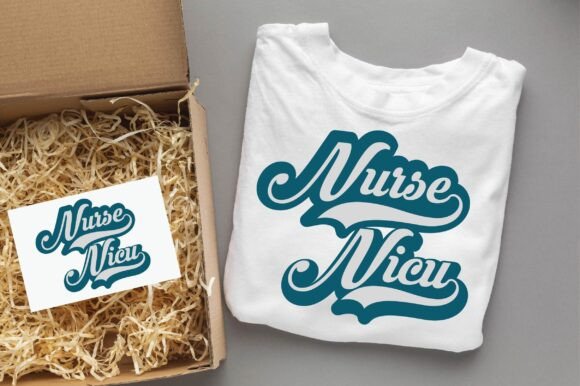
As someone who’s put countless embroidery files through the hoop for real client work, I approach new designs with a very practical eye. It’s not just about whether it looks cute on a screen. It’s about how it will stitch out, what product it will elevate, and whether the final embroidered piece will resonate. The NURSE NICU Occupation Svg Png Design immediately struck me as one of those graphics with a clear, heartfelt purpose. Its mood is distinctly warm and professional—a celebration of a specific, compassionate role. This isn’t a generic medical logo; it’s a targeted tribute.
Where This Design Naturally Belongs in Your Project Lineup
My first thought when reviewing this for real use was: this is a gift design. It naturally fits projects meant for recognition and personalization. Imagine a custom embroidered tote bag for a NICU nurse finishing a tough rotation, or a cozy sweatshirt for a nursing student specializing in neonatal care. It would shine on a pillow cover for a nurse’s lounge or a delicate, well-made patch for a uniform bag. The theme is so specific that it creates instant connection. For crafters and small shop owners, this means it’s perfect for personalized gifts, custom apparel for healthcare workers, or boutique merchandise aimed at that community.
In terms of product type, it clearly falls under T-Shirt Designs and Graphics, but its application is wider. I’d consider it for baby blankets destined for NICU graduates, aprons for hospital fundraisers, or even dignified caps. The layout and detail level suggest it’s made for a medium to large focal point, not a tiny accent.
Performance in Real Embroidery Situations: A Closer Look
Let’s talk about how this design would perform when the needle starts moving. Given the description includes high-resolution SVG and PNG files at 4500×5400 pixels, the scalability is promising. For machine embroidery, that means you can size it appropriately for your hoop without losing critical detail. On a dense sweatshirt or a canvas tote, the design should hold up well, provided the stitch density is managed. The potential for clean satin stitch borders and detailed fill stitch areas seems good, but that always depends on the digitizer’s skill.
For commercial projects or Etsy listings, this design could become a reliable part of your lineup. It adds value by catering to a niche audience—healthcare appreciation. That builds customer trust and engagement because you’re offering something meaningful, not just decorative. Using it for a handmade product like an embroidered tea towel or nursery decor item instantly boosts its perceived value as a thoughtful, professional gift.
Caution Zones: Where to Test and Adjust
No design is perfect for every scenario. With this NICU nurse graphic, areas of small lettering or intricate interior details would be my primary concern. On small hoop sizes or on textured fabrics like some towels, fine elements might get lost or become muddy. Stretchy fabric like thin t-shirts requires careful stabilizer choice to keep the design crisp. Embroidering on dark fabric demands a thoughtful thread color selection for contrast—you’d want to test that on scrap first.
Also, curved surfaces like caps can distort a detailed design, so a simplified version might be needed. For products needing frequent washing, like apparel, you’d want to ensure the stitch construction is robust. This isn’t a criticism of the design itself, but a standard reminder: always test the design on scrap fabric matching your final project’s material.
The Impact on Your Craft Business and Client Projects
Using a design like this effectively affects more than just the stitch quality. It influences your brand consistency if you specialize in occupation-themed items. It enhances the giftability of your products, making them perfect for holidays, weddings for healthcare couples, or thank-you presents. For digital product sellers offering the files themselves, the high-resolution formats are key assets for creating realistic printable mockups that attract buyers.
From a professional standpoint, a well-executed embroidery of this design on a finished product speaks to craftsmanship. It shows you understand the subject matter and care about the output. That professionalism translates directly to buyer engagement at craft fairs or in your Etsy shop. People recognize and respond to sincerity in design.
Practical Notes for the Embroidery Designer Before Hooping Up
Before you run this embroidery file for a client order or your own small shop product, here’s my routine checklist. First, check the actual stitch count and density in your software—this isn’t provided in the description, so it’s a must-do. Confirm your hoop size can accommodate the size you want. Inspect the small details in a preview: are there any tiny corners or lines that might vanish in stitching?
Do a quick test in black and white mockups to see how it reads without color. Compare how it might look on light versus dark fabric backgrounds. Always use the proper stabilizer for your chosen fabric. Crucially, check the licensing terms for this design—the description doesn’t specify, so you must confirm whether it’s cleared for commercial embroidery projects and selling finished items. Never assume.
Finally, think about thread colors. The design’s visual appeal will hinge on contrast and thoughtful color choices that suit the NICU theme—soft, professional palettes often work well. By taking these steps, you transform a digital graphic into a superb, real-world embroidered patch, tote bag design, or custom apparel piece that truly honors the profession it represents.
The NURSE NICU Occupation Svg Png Design is more than a graphic; it’s a tool for creating something with emotional resonance. In the hands of a thoughtful maker, it can become a standout piece in a gift shop, a cherished personal item, or a reliable listing in a craft business. Your job is to pair it with the right technique and product, and let the stitches do the talking.