A Retro Nurse Design Review for Embroidery Projects
Let's talk about the Funny Retro Nurse T-shirt design from the perspective of someone who's about to load an embroidery machine, not just browse a digital marketplace. This isn't about the file on your screen; it's about the stitches on fabric. When a design like this is described as perfect for T-shirts, mugs, tote bags, and more, my first question is always: how does it actually perform when you bring it into a real project for a client, a craft fair item, or a personalized gift?
First Impression: A Nostalgic Wink with Practical Potential
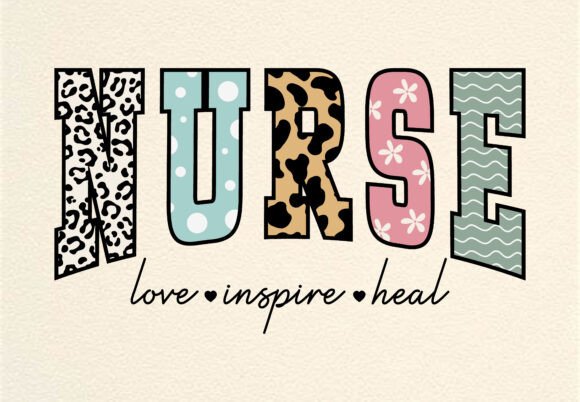
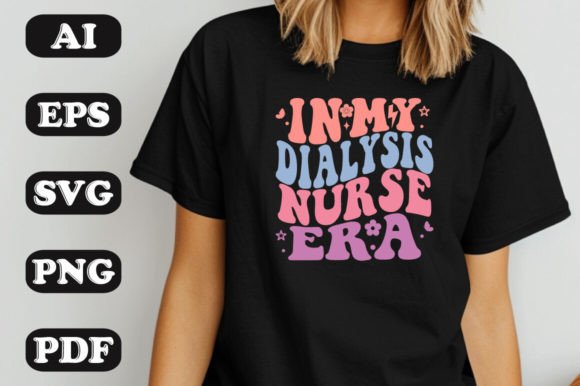
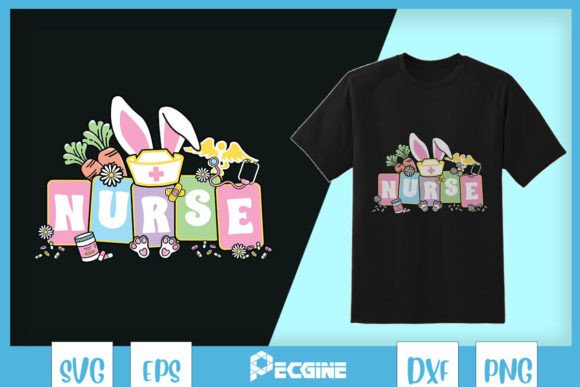
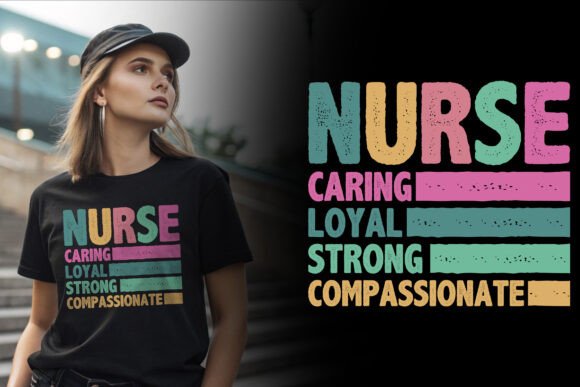
The moment you open this design, the mood is clear. It's playful, nostalgic, and carries a lighthearted, almost celebratory tone about the nursing profession. The retro aesthetic suggests it's not meant for sterile, clinical settings but for personal expression—a badge of humorous pride. The layout and detail level feel intentionally crafted for embroidery; the shapes are bold, the lettering is likely designed for clarity rather than intricate fragility. This visual personality immediately tells me it belongs on items meant to be seen and enjoyed: a custom sweatshirt for a graduate, a tote bag for a busy nurse, or a cozy pillow cover in a healthcare worker's home.
Where This Design Thrives in Real-Life Embroidery
Imagine you're preparing a custom embroidered tote bag for an Etsy order. A customer wants a unique gift for their friend who just finished nursing school. The Funny Retro Nurse T-shirt design isn't just a graphic; it's the centerpiece of a handmade product. On a sturdy canvas tote, the bold elements will stitch out with excellent clarity. The humor becomes a tactile feature, adding value and a personal touch that a plain bag lacks.
This principle extends beautifully to other projects. On a heavyweight sweatshirt, the design becomes a statement piece, its retro charm enhancing the garment's comfort and casual vibe. As an embroidered patch, it could be applied to a backpack or apron, creating a durable, recognizable accent. For baby clothes—perhaps a little onesie for a nurse's newborn—the friendly, cartoonish style softens the professional theme into something sweet and affectionate. In holiday gifts or boutique merchandise, this design acts as a ready-made brand asset, instantly communicating a niche and an attitude that engages buyers looking for something beyond generic apparel.
Visual Appeal and Customer Trust After Stitching
After stitching, the success of a design hinges on clarity and durability. A clean, well-defined embroidery file like this suggests good stitch density management—not too dense to pucker on a tee, not too sparse to look unfinished on a towel. When a finished product, like an embroidered kitchen towel or cap, shows crisp edges and readable text, it builds immediate customer trust. It signals professionalism in your craft business. The handmade presentation feels intentional and skilled, not haphazard. For a small shop owner, that consistency across products—whether on posters via printable mockups or actual embroidered tea towels—is what turns a one-time buyer into a repeat customer.
Careful Application: Where to Hoop with Caution
While the description lists many applications, an experienced eye knows that not all surfaces are equal. The potential pitfalls often lie in execution, not the design itself.
- Small Hoop Sizes: If the design has substantial area coverage, squeezing it into a very small hoop for, say, a baby item's sleeve might compress details. Test the scale first.
- Textured or Stretchy Fabrics: A thin, stretchy T-shirt is the named use, but it requires careful stabilizer choice to prevent distortion of those retro shapes.
- Dark Fabrics: The color palette implied by "retro" often uses lighter tones. Thread color contrast is crucial here. You might need to adapt the suggested colors for a black sweatshirt.
- Curved Surfaces: Embroidering this on a cap requires checking how the layout accommodates the crown's curve. Does the central motif remain visually centered?
- Dense Stitch Areas: If any section is overly dense, it could become stiff on a fabric meant for frequent washing, like an apron or a nurse's everyday scrub cap.
These aren't flaws of the Funny Retro Nurse T-shirt design; they are universal embroidery considerations. The design’s readiness for use means it should handle these well, but a professional always verifies.
Practical Notes for the Embroidery Designer
Before you commit this to a client's order or a batch of craft fair products, here is the real-world checklist I follow.
- Test on Scrap Fabric First. Use the same material as your final project—a piece of similar tee cotton, canvas, or fleece. This reveals true stitch behavior.
- Check Thread Color Contrast. Run a sample on both light and dark backgrounds. Does the humor and retro style translate in both scenarios?
- Review Stitch Density in the File. Look for areas that might be too thick for lightweight apparel or too thin for a dense tote bag fabric.
- Confirm Your Hoop Size. Ensure the design dimensions match the available hoop for your intended product, like a pillow cover or a blanket corner.
- Inspect Small Details. Are any tiny decorative accents or lettering elements clear and separate enough to embroider cleanly?
- Consider the End Product's Life. Will this embroidered patch on a nurse’s holiday gift tote bag withstand washing? Proper stabilizer is key.
- Clarify Licensing for Commercial Use. The description says it's ready for crafting custom items. Before selling finished products or using it in digital product previews, explicitly confirm the license allows commercial embroidery projects for your small business or Etsy shop.
The Final Stitch: A Design Built for Maker Success
Evaluating the Funny Retro Nurse T-shirt design ultimately comes down to its transition from digital asset to physical thread. Its strength lies in its targeted aesthetic—it creates a specific mood that resonates with a clear audience. This isn't a generic graphic; it's a specialized tool for creative entrepreneurs aiming to serve the nursing community with humor and respect.
When you embroider it onto a real item, that translation of personality from screen to stitch is what matters. It should look intentional, engaging, and professionally made. For the embroidery designer, the small business owner, or the hobbyist creating a personalized gift, this design offers a foundation. By applying practical embroidery knowledge—testing, adapting, and verifying—you build upon that foundation to create finished products that hold real value, foster buyer engagement, and truly honor the craft.