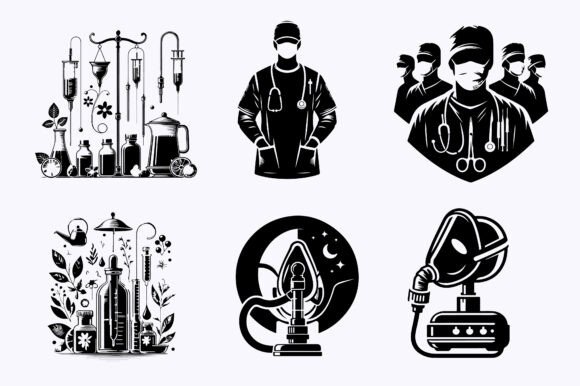
An Embroidered Look at Creative Medical Instruments Vector Art
When I first saw this Creative Medical Instruments Vector Art, I wasn't just thinking about the file on my screen. I was thinking about how it would feel as stitches on fabric. This isn't about evaluating pixels; it's about predicting thread, texture, and the reaction of a customer holding the finished piece. My perspective comes from years of stitching designs for clients and my own small shop, and here’s how this one stacks up for real-world use.
The Clean, Modern Mood for Embroidered Gifts
The design has a distinct personality: it’s crisp, contemporary, and quietly clever. It doesn’t scream "hospital"; it suggests a thoughtful appreciation for the craft and care of medicine. This mood makes it immediately suitable for a specific kind of project. Imagine a custom tote bag for a nursing student, or an apron for a beloved family doctor. It feels like a personalized gift rather than generic merchandise. For crafters and Etsy sellers, that’s a valuable starting point—the design carries an inherent sentiment that elevates the finished product.
Where This Design Finds Its Natural Home
In practical terms, this vector art translates beautifully to several key embroidery applications. Its clear shapes and balanced layout are perfect for medium to larger-scale projects where the details can shine.
Custom apparel like sweatshirts, polo shirts, or t-shirts for medical office staff or graduates would be a strong fit. The design has a professional yet approachable vibe that works for workplace branding or team gifts.
A sturdy canvas tote bag embroidered with this art becomes a functional, conversation-starting accessory. It’s also ideal for patches, which could be applied to lab coats, jackets, or backpacks for a personalized touch.
For home decor, consider a pillow cover in a nurse’s lounge or a crisp tea towel in a clinic kitchen. It moves beyond clothing into thoughtful décor.
As a digital product for other makers, this file is a solid design asset. When creating printable mockups for your embroidery service listings, this clean graphic lends itself well to clear previews on digital storefronts.
Careful Considerations for Stitching Success
While the design is versatile, a few scenarios require extra attention from the embroidery designer. The success of any embroidery file depends on matching it to the right canvas.
Given that it’s described as a vector illustration, the level of fine detail is key. If the design includes very small elements or thin lines, these might not stitch cleanly on:
- Small hoop sizes or very small items like baby clothes caps.
- Textured fabrics like some sweaters or blankets, where stitch definition can get lost.
- Stretchy or thin fabrics without proper stabilizer, which can cause distortion.
- Dark fabrics where thread color contrast becomes absolutely critical for visibility.
Also, curved surfaces like the crown of a cap can challenge a more linear layout. Always test the design on scrap fabric first. Check stitch density on your machine, inspect how small details render, and compare how it looks on both light and dark background mockups. This step is non-negotiable for professional results and customer trust.
From Digital File to Tangible Value
How does using this Creative Medical Instruments Vector Art affect the final product’s appeal? First, its clarity. A well-executed embroidery of this clean graphic looks intentional and skilled. That stitching clarity directly boosts the perceived value of a handmade product. A customer sees precision and care, which builds confidence in your craft business.
For brand consistency—say, for a small boutique selling gifts for medical professionals—this design offers a cohesive visual thread. Its modern illustration style can become part of your shop’s recognizable aesthetic. Furthermore, its "giftability" is high. It feels specific and thoughtful, making embroidered items for holidays, weddings, or graduations more meaningful and likely to engage a buyer.
A Practical Scenario: Preparing a Boutique Tote
Let’s walk through a real case. I’m considering this design for a limited-run tote bag for my small shop, targeting pharmacy students. I load the file and look at it not as art, but as a map for stitches. I’m thinking: the instruments need to stand out, so I’ll likely choose a matte finish thread for a clean look on the natural canvas. I’ll need a sturdy stabilizer for the bag’s thickness. The design’s layout seems centered and balanced, which is perfect for a tote’s flat front panel.
My concern? If any tiny lettering or minute decorative accents are included, they might get lost or become overly dense in stitching. I’ll run a test hoop on a scrap of similar canvas, checking those areas. I’ll also view it in a simple black-and-white mockup to ensure the composition is strong even without color. This hands-on review is what transforms a digital graphics file into a successful embroidery project.
Final Notes for the Working Designer or Maker
This Creative Medical Instruments Vector Art is a promising design asset for embroidery applications. Its strength lies in its contemporary theme and clear illustrative style, which suits personalized gifts and commercial embroidery projects with a professional leaning.
Your crucial steps before production:
- Always confirm the licensing of the file for your intended use—whether for personal projects or selling finished items in your craft business.
- Check the specific file formats included. The description mentions an SVG and references 1 EP file. Ensure you have the correct, compatible embroidery file for your machine before proceeding.
- Plan your thread colors carefully, especially for contrast on different fabric backgrounds.
- Use the proper stabilizer for your chosen fabric (textured, stretchy, thin, etc.) to maintain the design’s crispness.
- Consider the hoop size needed to accommodate the entire design without compromising detail.
Approach this not just as a graphic, but as the blueprint for a tactile, thread-based product. When stitched with care onto the right surface, this design can create embroidered pieces that feel both current and classic—a valuable combination for any designer, crafter, or small shop owner looking to make something that lasts.