A Design Review: It’s a Beautiful Day to Be a Nurse
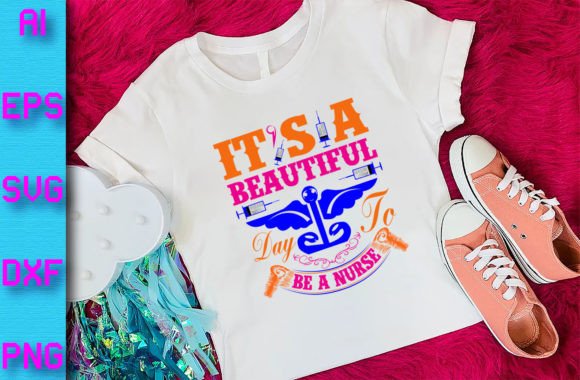
When you’re considering a new embroidery design for real-world projects—whether for a client’s custom sweatshirt or a product line for your small shop—the first impression matters. “It’s a Beautiful Day to Be a Nurse” delivers a warm, uplifting, and professional vibe right from the get-go. The phrasing itself is a mood booster, and the layout, likely relying on outlined lettering as described, suggests a clean, modern aesthetic. This isn’t a loud or overly decorative statement; it’s a confident, heartfelt one. It feels destined for projects that honor the nursing profession, from personalized gifts to merchandise for healthcare workers.
The Natural Habitat: Where This Design Belongs
In my hands, this design immediately feels like a tote bag or a high-quality sweatshirt. Picture a soft, heather gray sweatshirt with this phrase embroidered neatly across the chest. It’s a gift a nurse would actually wear, something that speaks to their daily pride rather than just their title. For a craft business, it’s perfect for a boutique’s “Healthcare Heroes” line. I also envision it beautifully scaled for a keepsake, like a decorative pillow for a nurse’s break room or a neatly stitched patch on a durable apron. The key here is that the sentiment is universal enough for a broad audience but specific enough to feel deeply personal.
Thinking Through Real Embroidery Execution
Because the seller notes the full design is done by outline, the primary concern shifts from stitch density errors to clarity and contrast. On a light fabric, a crisp black or navy outline will look sharp. On dark fabrics, you’ll need to plan your thread colors carefully—a bright white or a soft pastel outline could pop beautifully. The outlined nature generally means less satin stitch or fill stitch areas, which can be a blessing on stretchy fabrics like t-shirts or caps; it reduces puckering risks. However, it places all the visual weight on the line quality.
For a real-life scenario: imagine you’re preparing a custom embroidered tote bag for a nurse graduating from her program. You choose a sturdy canvas tote. The outline design, scaled to a medium size, will require a good stabilizer to keep those lines perfectly sharp, especially on a textured fabric. The lack of dense fill stitches means the bag remains flexible and the embroidery doesn’t feel overly heavy. This practical outcome directly boosts the product’s perceived value—it looks professional and durable.
Caution Zones: Where to Use a Measured Approach
While versatile, this type of design demands attention in a few key areas. First, tiny lettering. If you scale it down too much for a baby item or a small hat, those outlined letters can become fragile and lose clarity. Test it on scrap fabric first at your intended small hoop size. Second, textured or highly curved surfaces, like a baseball cap, require extra stabilizer and possibly adjusting the stitch sequence to ensure the outline doesn’t distort. Third, because it’s an outline-based design, on very thin fabrics like lightweight tees, you must manage the stitch density within the outlines to prevent the fabric from being overly perforated.
The design’s strength is its simplicity, but that simplicity relies entirely on execution. A wobbly line or a thread color that blends into the background fabric will undermine the whole effect. For commercial embroidery projects where consistency across dozens of items is key, this means dialing in your machine settings and material choices with precision.
Impact on Your Business and Your Customer
From a small shop owner’s perspective, “It’s a Beautiful Day to Be a Nurse” is a trust builder. When stitched well on a high-quality product, it signals that you understand your audience. It’s not a generic graphic; it’s a targeted, empathetic message. This elevates your handmade presentation and supports brand consistency if you specialize in celebratory or profession-themed items. For an Etsy seller, this design is highly giftable—it taps directly into a moment of recognition and appreciation, which drives buyer engagement.
As a digital product seller, offering this as part of a bundle for healthcare-themed embroidery files makes practical sense. However, the real value for your end-users, the fellow makers, comes from your guidance. Advise them to test the embroidery file on both light and dark fabric scraps, to check thread color contrast, and to inspect how the outlined details translate at their chosen size. This practical support turns a simple graphics purchase into a reliable project asset.
Practical Designer Notes Before You Hoop Up
Before running this design on a final project, here’s my standard review checklist. Always, always test on scrap fabric identical to your final product fabric. This is non-negotiable. Review the stitch density of the outlines in your machine embroidery design preview software if possible; ensure it looks balanced. Confirm your hoop size can accommodate the design at the size you want without forcing awkward scaling.
Since colors can be changed, play with that flexibility. Create a black and white mockup to see the pure form. Then, imagine it on a dark navy scrub cap versus a light pink baby blanket. The design’s personality will shift with the color choice. Use proper stabilizer for your fabric type—this is crucial for maintaining the clarity of those outlined letters. Finally, and this is vital for any commercial use: confirm the licensing terms provided with the purchase. Understand whether you can sell the finished embroidered products freely, and if you’re a digital seller, whether you can include it in your own bundles. Never assume.
“It’s a Beautiful Day to Be a Nurse” is more than a phrase; it’s a potential cornerstone for a thoughtful product line. Its outlined, customizable nature offers flexibility, but that flexibility comes with the responsibility of precise execution. When stitched with care onto the right product, it becomes a powerful, professional emblem of pride—exactly what a good embroidery design should do.