A Designer's Look at the NICU Nurse Halloween SVG
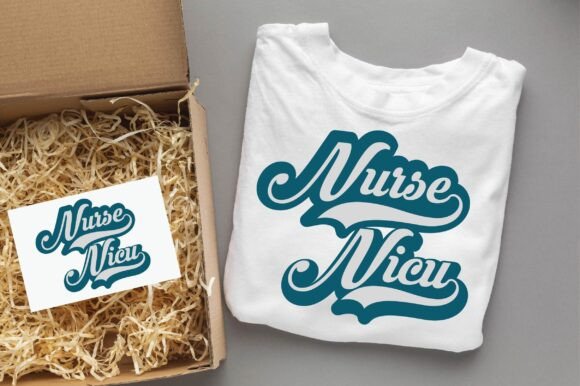
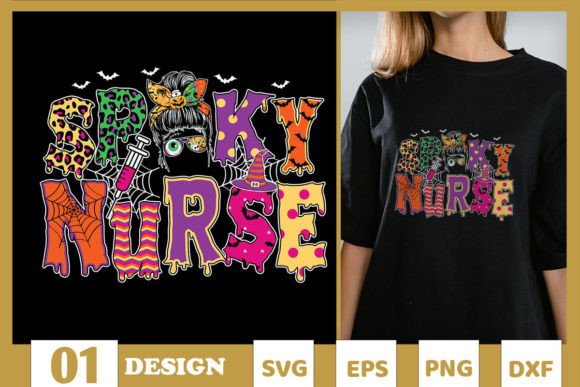
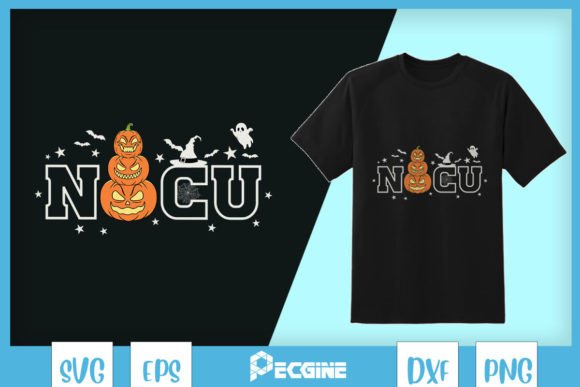
When a new embroidery design lands in my software, my first question is always, "Where does this belong?" Not just on what product, but in what context, for whom, and with what feeling. The NICU Nurse Halloween Hospital Funny SVG immediately presents itself as a specific, charming, and conversation-starting piece. It’s not a generic holiday graphic; it’s a targeted nod to a very special profession, wrapped in playful Halloween spirit. The mood is lighthearted appreciation—a way to celebrate the incredible nurses who care for the smallest patients, with a dose of seasonal fun.
Where This Design Finds Its True Home
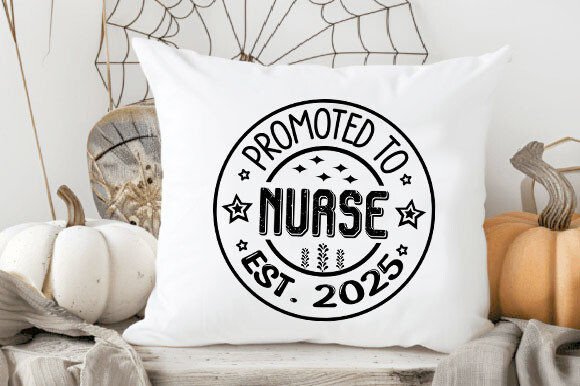
In my hands, this becomes more than a T-shirt graphic. The theme suggests a natural home on personalized gifts and small shop merchandise. Picture a custom embroidered tote bag for a NICU nurse's own use, filled with their work essentials. Imagine it stitched onto the corner of a cozy sweatshirt, a gift from a grateful parent. It could shine on a neat, framed patch or a decorative pillow cover for a nurse's break room. The humor and specificity make it perfect for holiday embroidery projects aimed at a niche audience—craft fair products, Etsy listings for medical professionals, or boutique items for hospital-themed gift shops.
The layout and detail level feel designed for clean stitching. There’s a clarity in the concept—the Halloween elements merging with hospital iconography—that should translate well to stitches. This isn’t an overly dense, intricate illustration; it’s a graphic with a strong personality that relies on recognizable shapes. That’s a good sign for embroidery, where too many tiny details can become a muddle of thread.
Navigating the Real Stitch: Practical Considerations
Let’s walk through a real scenario. I’m thinking of using this on a premium cotton tote bag for a client’s nurse appreciation event. My first step is always to test the embroidery file on scrap fabric of similar weight and texture. Even with pre-sized formats like SVG and PNG, I need to see how the design behaves under a needle. I’ll check the stitch density in my software preview—areas that are too dense can pucker thicker fabrics like bag canvas.
The design likely uses fill stitches for larger colored areas and satin stitches or running stitches for outlines and lettering. I’ll pay close attention to any small lettering or very fine decorative accents. On a curved surface like a cap, those tiny elements might need simplification or a larger hoop size to maintain clarity. On dark fabric, I’d plan my thread colors for maximum contrast—bright, crisp shades to make the playful Halloween and hospital elements pop. A proper stabilizer is non-negotiable here to keep everything sharp, especially if the base fabric has any stretch or texture.
When to Approach with a Careful Eye
This design would be challenging on very small hoop sizes. Squashing it onto a tiny baby bib corner might compromise the readability of the fun details. Similarly, on thin, stretchy fabrics like certain t-shirt knits, the overall design area needs consideration—a large, solid fill stitch area could distort the fabric. It’s best suited for stable, medium-weight grounds: totes, sweatshirts, aprons, kitchen towels, or pillow covers.
For products destined for frequent washing, like work aprons or everyday hats, I’d ensure my thread choice is high-quality and the stitching is secure. The visual appeal hinges on the design staying crisp and colorful through use. That longevity directly impacts customer trust and the perceived value of the handmade product.
The Impact Beyond the Stitches
Using a design like this isn’t just about technique; it’s about resonance. For a craft business or Etsy seller, offering this as a finished embroidered product speaks to a specific community. It shows thoughtfulness and niche understanding, boosting brand consistency for sellers focused on medical, gratitude, or holiday themes. As a personalized gift, it has high "giftability"—it’s recognized and meaningful instantly.
The visual appeal after stitching should be clean and engaging. The humor should be apparent without being overwhelming, making it a professional yet personal addition to any item. For commercial embroidery projects, like a batch of thank-you gifts for a hospital staff, it hits the perfect tone: celebratory and respectful, with a seasonal twist.
Notes from the Worktable
Before committing this to a final project, my checklist is simple but crucial. Test on scrap. Check thread contrast against both light and dark fabric texture by creating simple black and white mockups in my software. Inspect the small details in the design preview to ensure they’ll survive the translation to thread. Confirm the licensing terms of the digital embroidery file—can I use it for personal projects, client work, and sell the finished products? That’s essential for any small shop product or craft business application.
The provided formats—SVG, PNG, DXF—offer versatility for different software and uses, like creating printable mockups for my online shop. But I always remind myself: the file format is a starting point. The real work is in adapting it to the physical world of fabric, hoop, and thread. The NICU Nurse Halloween Hospital Funny SVG has a strong, charming premise. With practical handling, it can become a standout piece of embroidered patch, custom apparel, or thoughtful gift that truly honors its subject. It’s a design that asks you to think about its recipient first, which is always a good place to start.