A Ghostly Halloween Nurse Design for Embroidery
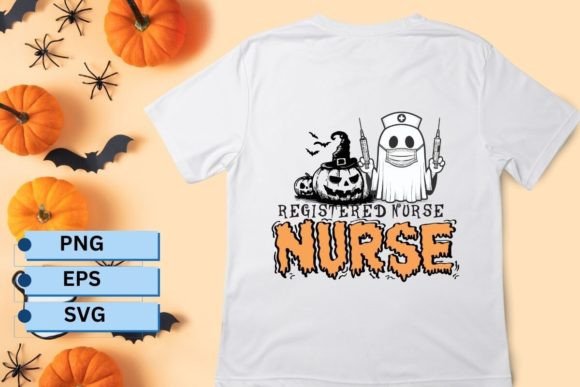
When I’m evaluating embroidery designs for real project use, I look beyond the initial charm. I’m thinking about stitchability, customer appeal, and whether a design translates into a professional finished product. The REGISTERED NURSE Nurse Spooky Ghost Hall design immediately caught my eye for its playful mix of Halloween spooky and professional cute. It’s a graphic with a clear personality, but the real question is: how does it perform when you’re actually threading the machine?
First Impressions: Groovy, Not Ghastly
The mood here is festive and friendly, not frightening. The concept—a ghost with a nurse’s cap—is clever. It leans into that “retro” and “groovy” feel mentioned in the description, which gives it a timeless, almost vintage cartoon appeal rather than a trendy flash-in-the-pan look. This is a significant advantage for embroidery, especially for small business owners. Designs that feel classic tend to have longer shelf lives in your product lineup and resonate across wider age groups. The layout is straightforward, with the “REGISTERED NURSE” text and the ghost graphic integrated. The detail level seems balanced: not overly simplistic, but also not so intricate that it would become a dense, puckered mess on a stretchy t-shirt. My first instinct is that this design naturally belongs on casual, celebratory items.
The Perfect Project Scenario
Let’s picture a real case. I’m preparing a custom embroidered sweatshirt for a nurse friend as a Halloween gift. I want it to be personal, well-made, and something she’d actually wear to a casual work Halloween party or on the weekend. The REGISTERED NURSE Nurse Spooky Ghost Hall design fits this perfectly. It acknowledges her profession in a fun, seasonal way. On a heavyweight sweatshirt fabric, the stitches would have good stability. The cute, not scary, vibe means it’s appropriate for a healthcare setting without being overly solemn. I’m also thinking it would be a strong seller as an embroidered patch—nurses could attach it to a bag or jacket—or on a tote bag for carrying work essentials with a bit of personality.
Performance Across Real-Life Embroidery Situations
This is where practical judgment comes in. For custom apparel like t-shirts and sweatshirts, the design’s moderate complexity means you’ll need a good stabilizer, especially if the fabric is stretchy. The text “REGISTERED NURSE” is the element I’d pay closest attention to. In embroidery, small lettering can blur if the stitch density is too high or the satin stitch width is too narrow. Testing on scrap fabric first is non-negotiable here.
For baby clothes or nursery decor, the cute ghost theme works, but scale is key. Embroidering this on a tiny baby bib would likely require simplifying or scaling down the design significantly, potentially losing clarity. It would shine better on a larger item like a baby blanket or a toddler-size hoodie.
Home goods like pillow covers, aprons, or kitchen towels are excellent candidates. The flat, often non-stretch surfaces of these items are forgiving and allow the design to stitch out cleanly. A Halloween-themed embroidered tea towel with this design could be a quick, popular craft fair product. For caps or hats, the curved surface presents a challenge, particularly for the potentially wide ghost shape. Careful hooping and possibly adjusting the design orientation would be needed.
Where to Use With Extra Care
There are always caveats. Small hoop sizes might force you to compromise. If you’re limited to a 4x4 hoop, the design might need to be condensed, risking a crowded look. On thin fabrics like lightweight t-shirts, the stitch density, if high, could cause fabric distortion or show-through. Always check the actual stitch count and density of the embroidery file before proceeding. Dark fabric backgrounds are a classic choice for Halloween, but they demand high-contrast thread colors. You’d likely want a bright white for the ghost and a contrasting color for the text and details to maintain visual pop. Don’t assume the default color palette will work on black; test it.
The “boo” detail (if included as small text) and any tiny decorative accents on the ghost could be lost on textured fabrics like some canvas or knit blends. For products that need frequent washing, like workwear or kitchen linens, a robust fill stitch in the main graphic elements will hold up better than very fine running stitch details.
Impact on Your Business and Customer Appeal
From a commercial perspective, this design affects several key areas. Its visual appeal is immediate and niche-specific, targeting nurses and healthcare enthusiasts around Halloween. That’s a focused audience, which can be great for engagement. The stitching clarity when executed well translates directly into product value and customer trust. A clean, unpuckered embroidery job on a sweatshirt looks professional and handmade in the best sense, boosting your brand’s reputation.
For giftability, it scores high. It’s personal, seasonal, and lighthearted. As a small shop product or Etsy listing, presenting it with clean, realistic printable mockups on various products (tote bags, t-shirts, aprons) will show its versatility. The “retro” feel can aid in brand consistency if your shop specializes in vintage or cute styles. For digital product sellers, offering this as a commercial embroidery file means your customers—other makers—will appreciate the same practical considerations: a balanced design that stitches well without excessive thread changes or tricky small elements.
Practical Designer Notes Before You Stitch
- Test on Scrap: Always run the embroidery file on a scrap of the actual fabric you plan to use. Check for thread tension issues and fabric pull.
- Color Contrast: Review the suggested thread colors. Create a black-and-white mockup of the design to see if the elements separate clearly without color. This helps plan for light and dark fabric backgrounds.
- Inspect Small Details: Zoom in on the design preview. Look at the corners of the letters and any fine lines in the ghost graphic. These areas might need stitch type adjustments if they appear too thin.
- Confirm Hoop Size: Ensure your intended hoop can accommodate the design’s dimensions without forcing a scale below 80%, which can degrade detail.
- Stabilizer Strategy: Match your stabilizer to the fabric. Knits need cutaway or a strong fusible for a design with fill areas.
- Licensing Check: This is critical. Before selling any finished items or digital products using this design, confirm the licensing terms. Most graphics from marketplaces have specific rules about commercial use, reselling as embroidery files, and finished product quantities. Never assume.
Ultimately, the REGISTERED NURSE Nurse Spooky Ghost Hall design has the character and concept to make it a worthwhile addition to your embroidery project roster, especially for Halloween-themed products. Its success hinges on your standard professional practices: proper testing, fabric selection, and attention to those smaller textual elements. When stitched with care onto a suitable item—think a cozy sweatshirt, a sturdy tote, or a festive apron—it delivers a fun, professional-looking result that clients and gift recipients will genuinely appreciate. It’s a design that understands its role: to be a cheerful, slightly spooky nod to a noble profession.