A Nurse Halloween Design Ready for Real Embroidery
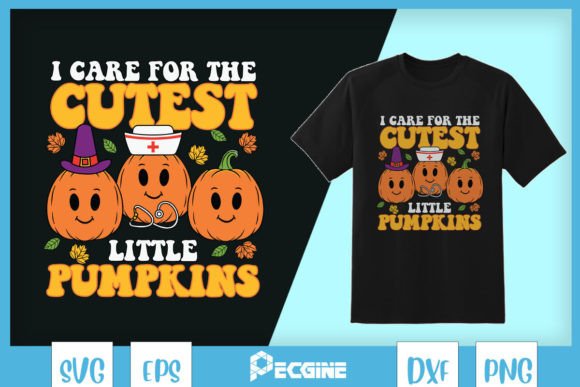
When a Halloween-themed embroidery file lands on my desk, my first instinct is to picture it stitched out. Not as a digital preview, but as thread on fabric—on a sweatshirt, a tote bag, or a child’s costume apron. The Nurse Halloween I Care for Cutest SVG immediately struck me as one of those designs that isn't just cute; it’s purposefully crafted for real project use. The mood is playful and slightly sweet, merging holiday spookiness with a clear, caring theme that goes beyond a generic scary nurse. It feels like it belongs on a gift, a personalized item, or boutique merchandise aimed at nurses, healthcare workers, or families celebrating Halloween in a lighthearted way.
The Kind of Projects This Design Naturally Calls For
This isn’t a design I’d automatically throw onto a standard t-shirt. Its personality suggests something more specific. I imagined it on a custom embroidered tote bag for a nurse friend, packed with Halloween treats. Or, as a small, charming patch on a child’s sweatshirt, transforming it into a cute costume piece. The “I Care for Cutest” wording adds a layer of personalization, making it ideal for baby clothes or nursery decor—perhaps a little blanket for a newborn with parents in healthcare. For small business owners and Etsy sellers, this design could elevate simple products like embroidered pillow covers, kitchen towels, or aprons into seasonal, giftable items. It has that handmade, thoughtful appeal that buyers look for during the holidays.
Where You Need to Think Before You Stitch
Embroidery is a physical process, and a design’s digital charm must translate into clean stitching. With any design containing text and themed elements, like this one, I consider the practical hurdles. The lettering, especially the smaller “for Cutest” portion, demands attention. On textured fabrics like some sweatshirt materials or on curved surfaces like caps, tiny details can lose clarity. I’d advise testing this on scrap fabric first to review stitch density and detail integrity. Dark fabric backgrounds are a classic choice for Halloween, but you’ll need strong thread color contrast—likely bright whites or oranges—to make the design pop. For products that need frequent washing, like baby items or aprons, a dense fill stitch area might hold up better than very fine satin stitches, so checking the design’s stitch construction in your software is a wise step.
How This Design Affects Your Finished Product’s Appeal
From a product reviewer’s perspective, the value of an embroidery file lies in the final product’s impact. When I evaluate Nurse Halloween I Care for Cutest SVG for client projects or my own craft business items, I think about customer reaction. This design, when stitched cleanly, conveys a sense of professional craftmanship and thematic cohesion. It’s recognizable and engaging, which helps in Etsy listings or craft fair displays. For a handmade shop owner, using such a clear, themed design builds customer trust—they see a complete, thoughtful product, not a hastily applied graphic. Its giftability is high, especially as a personalized gift for someone in the medical field. It supports brand consistency for shops focusing on holiday or healthcare-themed merchandise.
Practical Notes from an Embroidery Designer’s Worktable
Before running this machine embroidery design on a final product, my routine is straightforward but essential. First, I always test on scrap fabric identical to my project fabric. This reveals how the details behave and whether my chosen stabilizer is adequate. I check thread color contrast by previewing the design in both black and white mockups, and I compare how it might look on light versus dark backgrounds. Since the product description mentions included formats like SVG, PNG, and DXF, I confirm the file works smoothly in my design software and is pre-sized for my intended hoop size. Crucially, I verify the licensing terms for my use—whether I’m making a single personalized gift or producing items for commercial embroidery and sale. That step is non-negotiable for protecting my business and respecting the designer.
In a real-life scenario, say I’m preparing a batch of embroidered tote bags for a small Halloween market. This design would be a strong contender. Its playful yet clear theme would attract buyers looking for something unique. The embroidery process would require ensuring the stitch density isn’t too high for the bag’s fabric, possibly adjusting for a clean finish. The result, however—a well-executed, themed tote—would justify the effort, creating a product that feels professional and engaging. That’s the real test of any digital embroidery file: does it transition from screen to stitch with integrity, and does it elevate the finished product? For Nurse Halloween I Care for Cutest SVG, my design judgment leans towards yes, provided you apply those practical embroidery principles that turn a good digital asset into a great handmade product.