An Embroidered Medical Icon for Real Projects
The First Impression: A Clean, Recognizable Symbol
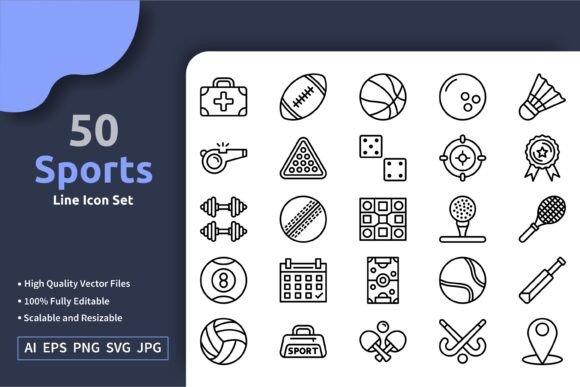
When I first opened the Medical Location Icon, my immediate thought was “This is a workhorse design.” It doesn’t shout or try to be overly decorative. Instead, it presents a clean, universally recognizable symbol—a simple medical cross within a neat, circular locator dot. The mood it creates is professional, trustworthy, and quietly helpful. There’s a calm visual personality here, which is exactly what you want for projects related to care, service, or health. The detail level is balanced: the lines are clear and distinct, without any fussy intricacies that could become muddled in stitching. This icon naturally belongs to projects that need to convey clarity and purpose.
Where This Design Finds Its Home
In my studio, I’m constantly matching designs to real-life applications. This Medical Location Icon feels destined for projects where its meaning adds value. Picture a custom embroidered tote bag for a nurse—a subtle, proud badge of profession. Imagine it stitched onto a cozy sweatshirt for a clinic volunteer, or appliquéd onto a baby blanket as a gift for a pediatrician. It would make a perfect, understated patch for a medical student’s backpack. For small business owners, like those running a boutique pharmacy or a wellness shop, this icon could become a key piece of brand consistency on aprons, pillow covers in a waiting area, or even tea towels for a health-conscious kitchen. As an Etsy seller, you could offer personalized holiday gifts for healthcare workers—a monogrammed cap with this icon placed discreetly on the side. Its strength is in its semantic weight; it makes a finished product feel considered and meaningful.
The Practicalities of Stitching It
Moving from the screen to the hoop is where a design truly proves itself. Based on the file formats included—EPS, SVG, AI, and PNG—this icon is clearly built for versatility, which is great for digital product sellers creating printable mockups or other crafters using different methods. For machine embroidery, the clean shapes are a positive. The circular outline and straight cross lines should translate well into satin stitches or tidy fill stitches, provided the stitch density is appropriate. However, this is where your professional diligence comes in. Always test this embroidery file on scrap fabric first, especially if you plan to use it on a challenging base.
Considerations for a Perfect Stitch
For small hoop sizes, like on a cap curve or a baby item sleeve, the design’s simplicity is an advantage, but you must still check that the details aren’t too dense for the smaller area. On textured fabrics, like a knit sweatshirt, or stretchy fabric, using the proper stabilizer is non-negotiable to keep those lines crisp. Dark fabric will require thoughtful thread color contrast—a bright white or a cool blue might be ideal here. I’d advise running a test in both light and dark fabric mockups to see how it feels. The design lacks tiny lettering or intricate corners, which minimizes one common headache, but you should still inspect the small junctions where the cross meets the circle to ensure they’ll stitch out cleanly without puckering.
How This Icon Elevates Your Product
Beyond the technical stitch, the value of a design like the Medical Location Icon is in the story it helps your product tell. On custom apparel or handmade merchandise, it adds a layer of recognition and professionalism. For a customer, seeing this icon on a gift or purchased item builds immediate trust—it signals a specific, thoughtful intent. This isn’t a generic decoration; it’s a symbol with resonance. For creative entrepreneurs, that translates directly into buyer engagement. A tote bag with this embroidery isn’t just a bag; it’s a statement of identity for the user, which enhances its giftability and perceived value. In a commercial embroidery project for a small clinic, it would lend a cohesive, handmade presentation to staff uniforms or clinic decor, moving beyond generic printed logos.
A Designer’s Final Notes Before You Hoop It
My review is always grounded in the reality of the workshop. Before you commit this design to a client’s project or your next craft fair product, here are my practical embroidery designer notes. First, confirm the licensing terms for this digital embroidery file. The product listing mentions the included graphic files, but it’s your responsibility to check whether they’re cleared for both personal and commercial projects before selling finished items. This is crucial for Etsy sellers and small shop owners.
Second, while the design appears straightforward, never skip the scrap fabric test. It will reveal how the stitch density interacts with your chosen material and whether you need to adjust hoop size or stabilizer type. Third, think about application. This Medical Location Icon would be excellent for an embroidered patch, as its bold, simple shape would remain clear. On layered garments or items needing frequent washing, like kitchen towels or baby clothes, ensure your thread choices are durable and the stitching is secure.
Ultimately, the Medical Location Icon is a confident, practical design asset. It doesn’t demand attention; it earns it through clarity and purpose. In the hands of a maker who understands its context, it can transform a simple sweatshirt, tote bag, or pillow cover into a product with depth and connection. It’s a tool for your craft business, waiting to be stitched into something real.