Evaluating the Vet Nurse Design for Embroidery Projects
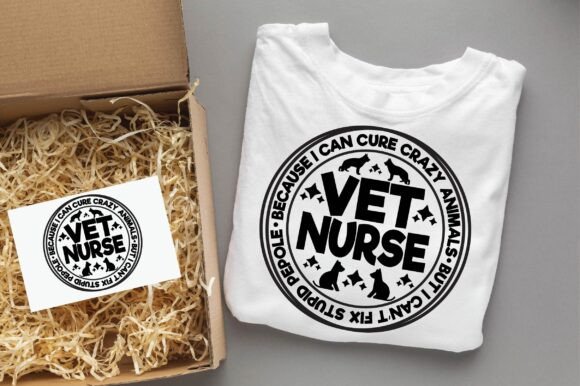
As a designer who has stitched countless client projects, I always look at a new design file with a practical eye. My first question is: how will this actually translate into thread on fabric? Let’s walk through the Vet Nurse Because I Can Cure Svg Png design from that perspective, imagining it’s already loaded into the machine and I’m choosing my first project.
The Immediate Mood and Project Fit
The phrase “Because I Can Cure” has a confident, almost heroic, feel. It’s not just a title; it’s a declaration. For a vet nurse or a pet lover, this carries a powerful personal sentiment. The design’s personality leans toward appreciative, professional, and proud. This isn’t a cartoonish pet graphic; it’s a statement piece. My mind immediately goes to projects for a vet clinic’s staff apparel, a personalized gift for a graduating veterinary technician, or merchandise for a small business that caters to pet care professionals.
It naturally belongs on items where that statement can be showcased and appreciated. Think a high-quality embroidered tote bag for a nurse carrying their supplies, a classic sweatshirt for comfort and visibility, or a crisp apron in a clinic. It would also make a wonderfully thoughtful embroidered patch that could be applied to a work bag or a jacket. The theme is specific, which is a strength—it instantly resonates with its intended audience.
Performance in Real Embroidery Situations
In practical use, the success of this machine embroidery design hinges on clarity. The lettering is the centerpiece. In a real-life scenario, like preparing a custom embroidered sweatshirt for a client, I’d be focused on how the words “Vet Nurse” and “Because I Can Cure” stitch out. Clean satin stitches for bold letters or well-defined fill stitches for a thicker font would be crucial for readability and a professional look.
On a tote bag, the design would need sufficient stitch density to withstand wear. On baby clothes or softer items like pillow covers, I’d consider a lighter density fill to keep the fabric pliable. For a cap or hat, the curved surface requires careful planning; a simpler, slightly scaled-down version of the text might work better than a very complex layout with tiny decorative accents.
This design feels ideal for personalized gifts and small shop merchandise. An Etsy seller offering custom vet-themed items could use this as a core design asset. Its appeal is direct, which aids buyer engagement—a customer looking for a vet nurse gift would recognize its value immediately. For a craft business, it adds a niche product that speaks to a dedicated community.
Where This Design Requires Extra Attention
Any design with text demands careful execution. Here are the situations where I’d proceed with caution:
- Small hoop sizes: If the design file is detailed with smaller script, forcing it into a tiny hoop might compromise letter clarity. Test first.
- Textured or stretchy fabrics: Knits or fleece can distort letter shapes. A good stabilizer is non-negotiable here.
- Dark fabric: Thread color contrast is key. Light thread on dark fabric will make the statement pop, but you must ensure the stitch coverage is solid to prevent the background from showing through.
- Products needing frequent washing: On kitchen towels or workwear, a robust stitch density and quality thread will ensure longevity.
- Tiny lettering or dense corners: If the design includes very fine details, they might bunch up or be lost. Always inspect small details in a test run.
Impact on the Finished Product's Appeal
When this design is stitched well, it elevates the finished product. It conveys professionalism and thoughtfulness, which builds customer trust for a maker. For a handmade product, it turns a simple garment into a meaningful item. The visual appeal is clean and purpose-driven, which enhances brand consistency if you’re a seller focused on pet-care or appreciation themes.
Its giftability is high. A vet nurse receiving an embroidered blanket or tea towel with this phrase would understand the recognition instantly. For commercial embroidery, a clinic ordering uniforms with this design would be investing in team morale and identity. In a printable mockup for a digital store, it presents as a strong, clear graphic that communicates its use case effectively.
Practical Notes from the Hoop
Before I’d commit this to a client’s project or my own shop inventory, here’s my personal checklist:
- Test on scrap fabric first. Use both a light and a dark scrap to see how it performs on different backgrounds. This reveals any issues with stitch density or thread coverage.
- Check the actual embroidery file details. Since the provided description mentions high-resolution images, I need to confirm the specific file formats and that they are indeed suitable for my embroidery project. I must verify the licensing terms if I plan to sell the finished items commercially.
- Review the design in a simple black-and-white view on my software. This helps isolate the structure, ignoring colors, to see if any areas are too thin or too congested for clean stitching.
- Consider hoop size compatibility. Does the design scale well for my intended product, from a large tote bag design to a smaller baby embroidery item?
- Plan my thread colors. For a classic look, I might choose crisp white on navy for a polo shirt. For a softer holiday embroidery gift, perhaps a pastel thread on a light grey sweatshirt.
- Match the design to the fabric texture. A smooth cotton twill is forgiving; a textured canvas might require adjustments.
The Vet Nurse Because I Can Cure Svg Png design, from a designer’s standpoint, is a strong niche statement. Its value lies in its direct emotional connection. It’s not a generic graphic; it’s a specific tribute. When embroidered with care on the right product, it moves from being just a T-Shirt Design to being a piece of wearable appreciation. That’s the kind of embroidery project that satisfies both the maker and the recipient, and it’s why evaluating a design with real-world eyes before the needle hits the fabric is always the best first stitch.